
8 Helpful Tips for Nonprofit Professionals to Prioritize Their Mental Health
As United Way professionals and alumni, many of us have dedicated our careers to helping others. We spend our days solving problems, supporting communities, advocating for change, and showing up when people need us most. And while that work is deeply meaningful, it can also take a toll on us.
Like many in the nonprofit sector, it’s common to become emotionally drained over time. Between the long hours, limited resources, difficult conversations, and community needs, mental health is something many of us have experienced personally. Whether it be through our funded agencies, our team members, or our own personal struggles, mental health impacts everyone.
In recognition of Mental Health Awareness Month (May), the United Way NEXT team reached out to past Wellness Series speakers for their best tips and tricks for protecting and improving their mental well-being. From setting healthy boundaries to managing stress and prioritizing rest, these practical reminders can help all of us care for ourselves while continuing to care for others 💙
8 Helpful Tips for Nonprofit Professionals to Prioritize their Mental Health
Pause before Assigning Meaning to Situations
“Many of us create stress by immediately interpreting situations instead of slowing down long enough to understand them clearly. A short response, a change in tone, or someone seeming disengaged can quickly become a story we tell ourselves. Taking a moment to separate what actually happened from what we assumed can reduce anxiety, conflict, and emotional overwhelm significantly,” said Naomi Asher.
Release Toxic Stress from Your Body
“A lot of people think they’re bad at resting when really their nervous system just doesn’t know how to slow down anymore. I see this constantly with leaders and caregivers who are carrying stress around the clock. They’re exhausted, overstimulated, emotionally reactive, and still pushing through because they have to. One of the biggest shifts for me personally was learning that burnout isn’t just mental. Stress gets stored in the body. That’s why nervous system regulation matters so much,” said Kate Drayton.
Find at Least One Healthy Coping Mechanism
“As someone with all 10 Adverse Childhood Experiences (ACEs), I was eight years old when I made the conscious decision not to drink, do drugs, or smoke cigarettes. I was determined to be the first in my family to graduate high school, go to college, and avoid teen pregnancy. All of which I did because I wanted to beat the statistics, and I didn’t have my first drink until I turned 21 despite being 700% more likely to become an alcoholic. But this took a lot of work and it would have been far easier to cope in the way my friends and family did. And while I’m sure not all of my coping mechanisms are the healthiest, one of the smartest things I ever did was start writing,” said Ivy Cirillo.
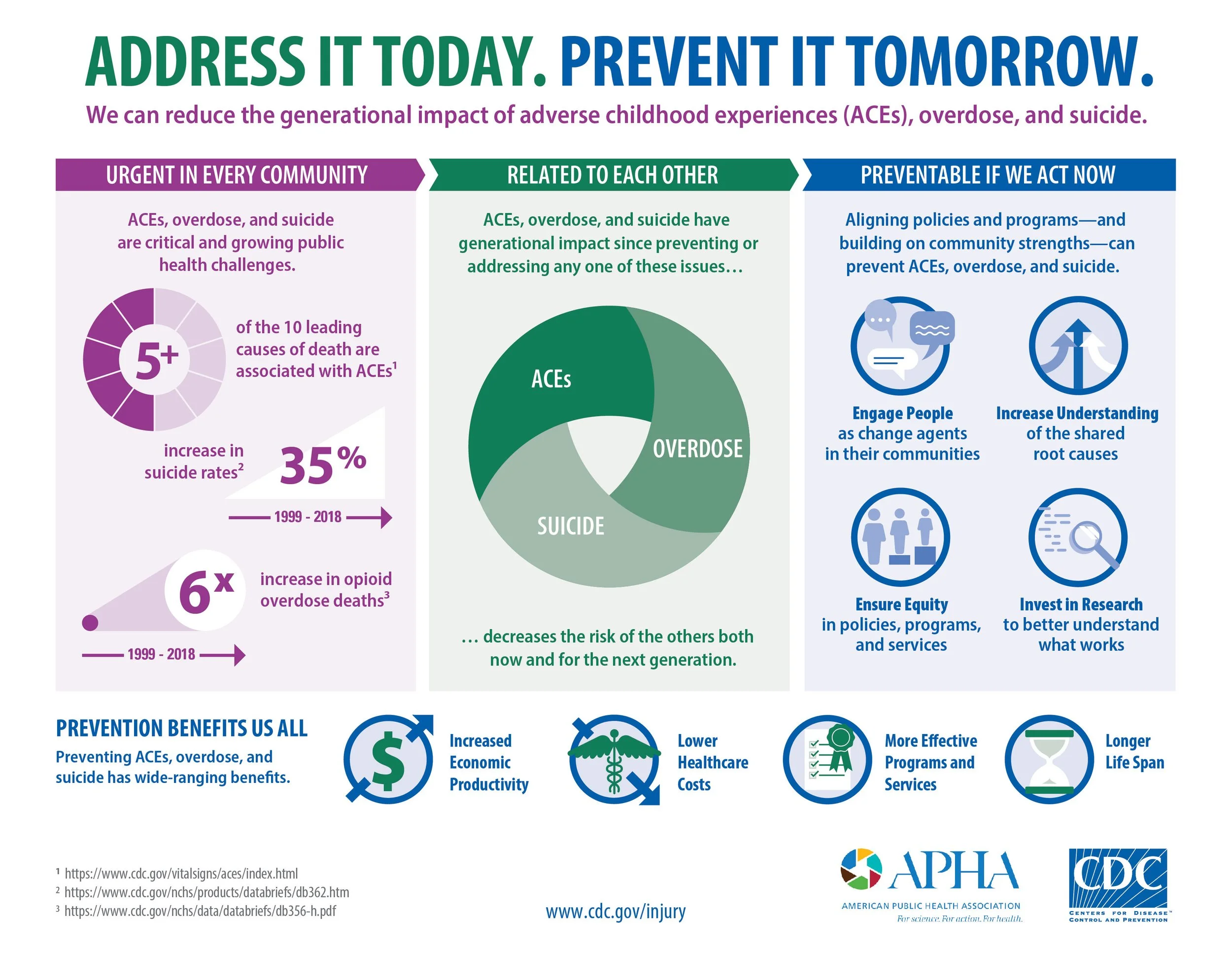
American Public Health Association & CDC Resource provided by Kate Drayton.
Don’t Wait until You’re Falling Apart to Take Care of Yourself
“A lot of the struggles people face right now are connected. Burnout, anxiety, loneliness, emotional exhaustion, unhealthy coping habits, disconnection. Most of it builds slowly over time, especially when people stay in survival mode too long without support or rest. One of the healthiest things you can do for your mental health is pay attention earlier. Notice when you’re becoming emotionally numb, constantly irritated, isolated, exhausted, or unable to shut your brain off. Those signs matter. Taking care of yourself before things become a crisis isn’t weakness. It’s wisdom,” said Kate Drayton.
Stop Taking Responsibility for Things That Aren’t Yours to Carry
“A lot of emotional exhaustion comes from over-functioning. This might be managing other people’s emotions, trying to fix every problem, or feeling responsible for how everyone around us is doing. One of the healthiest things we can learn is the difference between being supportive and over-carrying. Carrying someone else’s emotional baggage is heavy and doesn't lighten their load. We have to learn to release it,” said Naomi Asher.
Protect How You Start and End Your Day
“Most people never actually give their nervous system a chance to power down. We wake up to notifications, fall asleep doom scrolling, answer emails in bed, and wonder why we feel anxious and exhausted all the time. One small change that can make a huge difference is keeping phones and laptops out of the bedroom completely. Go back to an old-school alarm clock if you need to. Protect the first and last moments of your day from noise, stress, bad news, and constant stimulation. Better sleep helps everything. Mood, patience, emotional regulation, relationships, and focus. Remember “rest” is the root of restoration. So start and end your day with something that’s nurturing to your nervous system and you’ll feel the difference faster than you’d think,” said Kate Drayton.
Don’t be afraid to share your story
“When I wrote my debut poetry collection, I sat on it for years. I was terrified to publish it because it was raw and emotional & I was afraid of people reading it. The thought of anyone pitying me or apologizing for events they couldn’t control was enough to scrap it all together. But then it clicked, I write for my own healing and I publish for the healing of others. Because if my story can help even one person, then it doesn’t matter how nervous or uncomfortable I am. It’s worth sharing. And I know I’m not the only UW NEXT member that feels this way. Naomi Asher calls her book a “therapy exercise that I [she] decided to publish,” Dawn Helmrich spent decades advocating for survivors of sexual assault before publishing her book, and now Dawn co-hosts a mental health podcast with Neil Parekh,” said Ivy Cirillo.
Lead [Your Team] by Example
“Most people get promoted into leadership without ever being taught how to handle conflict, emotional stress, hard conversations, or team dynamics. Then they wonder why they’re exhausted. One of the most common things I hear from leaders is, “I can’t keep carrying everyone else’s stress on top of my own.” That’s why emotional health and relational intelligence matters so much. It changes the way people communicate, lead, set boundaries, and respond under pressure, said Kate Drayton.
Progress Over Perfection
At United Way NEXT, we know mental health isn’t about being perfect. It’s about paying attention, practicing self-awareness, and taking small steps toward well-being each day. Whether that means setting healthier boundaries, challenging assumptions, creating space for rest, or recognizing when it’s time to seek help, every positive action matters.
For those of you interested in taking additional steps to prioritize your mental health and well-being, we encourage you to check out our Wellness Series Playlist. Inside it, you’ll find sessions like:
Using Personal Stories About Mental Health to Focus on Mental Wellness with Neil & Dawn
How to Be Present & Productive When There is Never Enough Time with Kate Drayton
How to Cultivate Internal Peace When There is External Chaos with Kate Drayton
How to Say No and Give Your Best Yes!with Kerri Strauss
How to Turn Stress into Wellness with Kerri Strauss
Nurturing Nonprofit Wellness with Naomi Asher
About the Authors:
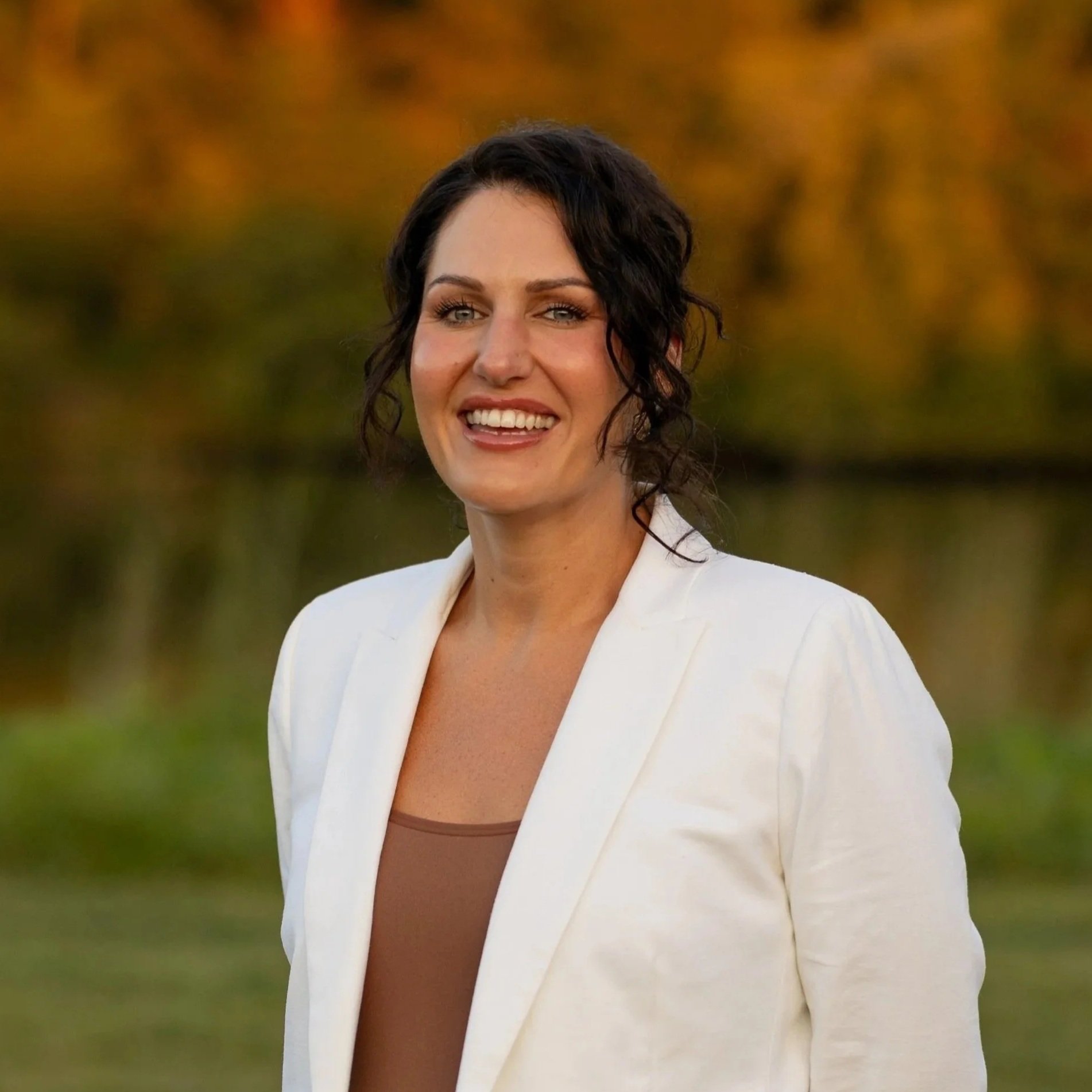
Naomi Asher, UW NEXT Consultant Collaborative Leadership Team
Naomi Asher is the founder of The Maven Consulting, where she helps nonprofits and community organizations strengthen leadership, develop fundraising strategies, and foster sustainable growth. With over 15 years of experience as an Executive Director for organizations like United Way of Anderson, Campbell, Morgan, and Scott Counties and CASA of the Tennessee Heartland, Naomi transitioned to consulting to support other organizations in reaching their full potential. She combines her leadership experience with her academic work as a Doctoral Candidate researching Nonprofit Executive Burnout, offering tailored, results-driven strategies to create lasting impact.

Kate Drayton, UW NEXT Guest Speaker
Kate Drayton serves as a trauma-informed consultant and burnout prevention specialist who has trained thousands around the world to develop healthy leaders, healing cultures, and helpful responses to mental health needs.
Kate has led train-the-trainer initiatives on the Ukraine–Poland border, equipping leaders to support those healing from war-related trauma. More recently, she returned from Singapore, where she worked to create mental health systems of care and prevent burnout for leaders across the Asia–Pacific region.
Having grown up in East Africa and earned her master’s degree in the Middle East studying how communities heal from trauma, Kate brings a global perspective to local healing. She is certified as a NEUROFIT Somatics and Nervous System Regulation Trainer, GiANT Worldwide Leadership Consultant, SAMHSA’s GAINS Center Trauma-Informed Trainer, a National Leadership Academy for the Public’s Health alumna, and a National Coalition Academy alumna.
Her greatest passion is equipping people to prevent and heal trauma that, if left unaddressed, can lead to substance use and overdose. She believes emotionally healthy leaders—grounded in relational intelligence, authentic rest, and sustainable rhythms—are key to helping communities flourish. And she is convinced a cup of tea makes every day better.
Find additional articles about Kate, watch her past sessions, or register for her upcoming event.

Ivy Cirillo, UW NEXT Marketing, Communications, & Events Manager
Ivy Cirillo is a Bestselling Author, International Speaker, and Multipassionate Entrepreneur. She has over a decade of experience creating compelling content, executing impactful campaigns, and coordinating events that bring people together. She loves running experiments, analyzing data, and implementing strategic changes that drive results-oriented marketing.
After four years as a digital nomad, she planted roots in South Dakota and began serving as the Marketing Associate & Volunteer Coordinator at Sioux Empire United Way. Two years later, she accepted a position as the Marketing, Communications, & Events Manager at United Way NEXT.
In addition to her nonprofit work, she is the Founder of Perfectly Ambitious; a community of multipassionate, neurodivergent, and low energy entrepreneurs. For nearly a decade, she has taught thousands of small business owners through her blog, digital products, workshops, and interviews. As a late-diagnosed AuDHDer with multiple chronic illnesses herself, she's knows first hand what it's like to navigate a world that wasn't built for her. That's why she's a fierce advocate for accessible marketing practices, inclusive business strategy, and low energy entrepreneurship.
Find additional articles from Ivy or register for her upcoming event.